
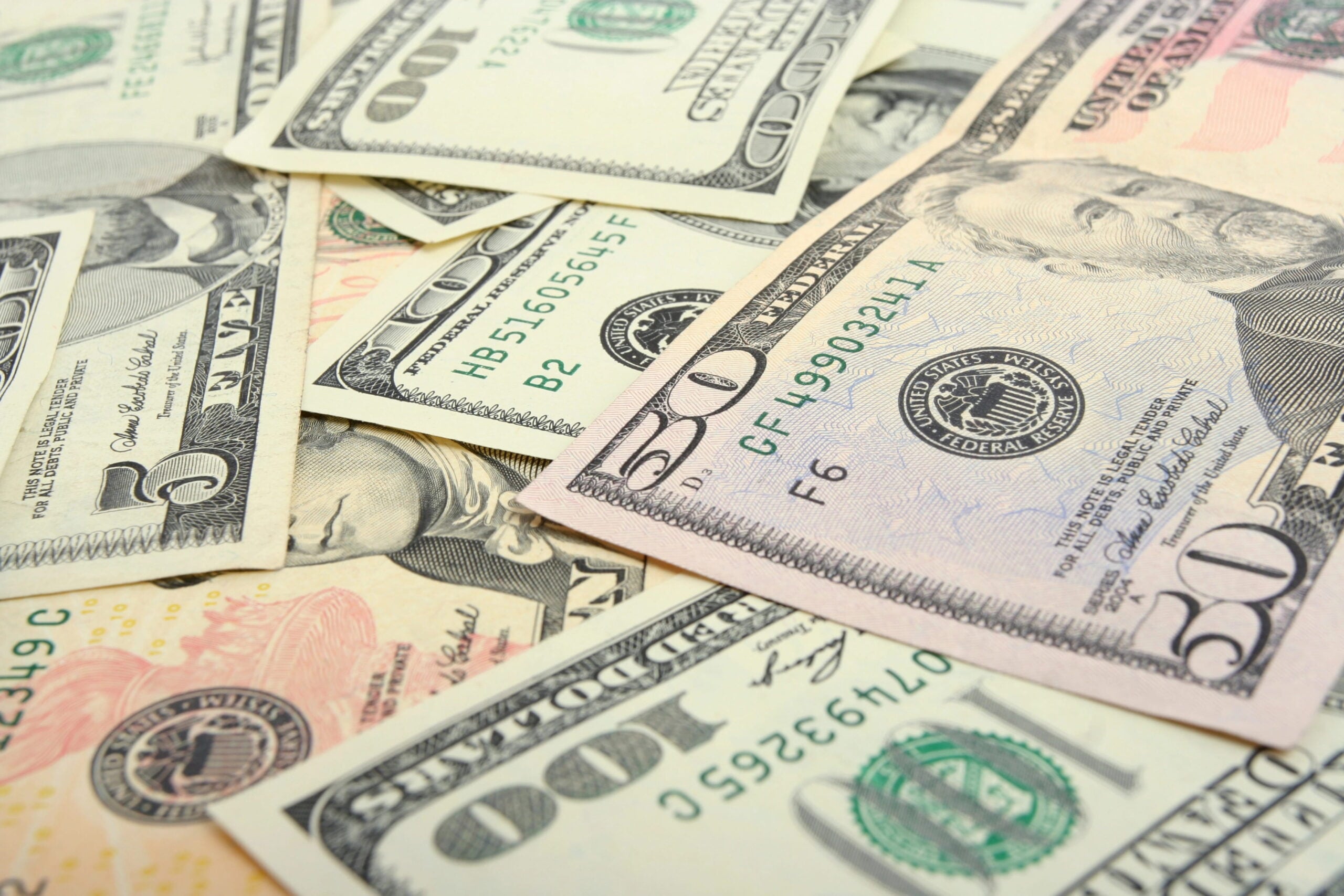
How a $5 Image Turns Into a $5,000 Settlement
And why you need an image checker
Published 21 July 2026
Let’s start with a story that’s become surprisingly common on the internet.
A small business owner needs a photo for a product page. Nothing fancy, just something to illustrate the product and make the page look less like a solid wall of text. After a few minutes of searching, they find the perfect image on a stock website for five dollars.
Five dollars. Cheaper than a latte. Click, download, upload, done.
Six months later, an email arrives. It’s not a customer inquiry. It’s not spam about SEO services. It’s a copyright claim demanding $5,000. It’s enough to make you wish you’d had some kind of image checker in place. (Hint: There is such a thing, and you can get it here.)
Welcome to the strange world of online image licensing.

The image cost less than your morning coffee, but the claim is for five grand.
Where Things Start to Go Wrong
Many people assume that buying or downloading an image means they’re free to use it however they want. Unfortunately, that’s not always how licensing works. In the above case, the error may have been as simple as inadvertently using an “Editorial only” image on a product page that technically qualifies as commercial use, which is a big no-no.
Online images typically fall into one of several categories:
- Royalty-free licensed images
- Rights-managed images
- Creative Commons images
- Public domain images
The problem? Each one comes with different rules.
For example, a $5 stock photo license might allow you to use the image on a blog, but not in advertising or any commercial use, not on merchandise, or not on a high-traffic e-commerce website without an extended license.
Many people assume that buying or downloading an image means they’re free to use it however they want.
Sometimes the issue isn’t the license type. It’s that the image was uploaded to a stock photo site by someone who didn’t actually own the rights in the first place. It happens more often than people realize. In those cases, even people who obtained the image in good faith can find themselves caught in a licensing dispute later.
And when the legitimate copyright holder discovers their image online without proper authorization, things can escalate quickly.
The Rise of Image Enforcement
Photographers and agencies now use sophisticated tools to track down unauthorized image usage.
These tools work a lot like reverse image search. Bots scan the internet looking for matches to protected photos. When they find one, a claim is often generated automatically.
In many cases, the claim doesn’t arrive directly from the photographer. Instead, it comes from a copyright enforcement company or law firm that specializes in recovering licensing fees.
The email often looks something like this:
“Our client owns the copyright to the image displayed on your website. Your use appears to be unauthorized. To resolve this matter without legal action, please remit payment of $5,000.”
Cue panic (and your favorite horror movie soundtrack).
Why the Settlement Is So High
At this point, most people are horrified and wondering, “How does a $5 image suddenly cost thousands?”
There are a few reasons.
1. Copyright law allows significant damages
Under US copyright law, statutory damages can reach up to $150,000 per work for willful infringement. Many cases never reach that amount, but the law allows for sizable settlements.
2. Retroactive licensing fees
Rights holders may calculate what they believe the proper commercial license should have been and add penalties or administrative costs.
3. Legal pressure
Many claims are framed as a settlement opportunity to avoid litigation. The number often reflects what the claimant believes someone might pay to make the problem disappear quickly.
Is it fair? While that may be open to debate, it nevertheless happens regularly.

Most copyright infringement is completely accidental and unintentional. But that doesn’t make it any less expensive.
The “Innocent Mistake” Problem
Here’s the tricky part: Most people who receive these notices never intended to break copyright law.
Common scenarios include:
- A marketing intern grabbing an image from Google Images.
- A blogger assuming a stock image was royalty-free.
- A web designer providing images without confirming the license.
- A Creative Commons photo used incorrectly (missing attribution, wrong license type).
The internet makes images incredibly easy to copy. But legally, every image is automatically copyrighted the moment it’s created, unless the creator explicitly releases it. There’s no registration required for basic protection. This means that the “but it was on Google” defense, unfortunately, doesn’t carry much legal weight.
But There’s Hope (and Help)
What you need is a way to scan all your website images and get an analysis of each one, so you can see which ones pose a significant risk. Then you can do something about the risky ones and thereby lower your overall risk of getting into copyright-infringement trouble.
There is a tool that can do that for you.
This is where ImageVerifier, specifically designed to analyze image safety, becomes incredibly useful. It can scan all your thousands of images in a short time and provide an estimated risk level on each. Additionally, it has an optional feature that you can use to connect your Shutterstock or Adobe Stock accounts to ImageVerifier, so that it can check which images you previously licensed from one of these providers.
Why Image Verification Matters
One of the biggest problems with copyright claims is uncertainty.
You may not remember where the image came from. The person who built the website may no longer work there. The licensing documentation might be long gone.
Without clear records, it’s difficult to determine whether a claim is valid.
ImageVerifier can help by:
Think of it like running a background check on your images. Having that information before responding to a copyright demand can make a difference.
- Scanning images on your website.
- Indexing your site images.
- Checking your images against billions of online resources.
- Generating a database containing detailed risk and image-match accuracy ratings.
Think of it like running a background check on your images. Having that information before responding to a copyright demand can make a difference.
How to Avoid the $5,000 Surprise
The good news is that most copyright problems are preventable with a few simple habits.
1. Don’t rely on Google Images
Google is a search engine, not a licensing platform. Just because an image appears in search results doesn’t mean it’s free to use.
2. Use reputable image sources
Well-known stock libraries and public domain collections provide clearer licensing terms.
Examples include:
- Unsplash.
- Pexels.
- Pixabay.
- Licensed stock sites like Shutterstock, DepositPhotos or Adobe Stock.
Note: Unsplash, Pexels and Pixabay are considered generally safe for free, high-quality, commercial-use photos. However, they are not legally foolproof, as user-uploaded content may violate copyright or lack necessary model releases. For more information, see 13 Common Image Types That Could Get You Sued.
3. Keep license records
Save receipts and license details whenever you purchase or download an image. It takes seconds and can save a lot of headaches later.
4. Avoid “mystery images”
If you don’t know where an image came from, it’s safest not to use it.
5. Verify before publishing
Running an ImageVerifier site scan can catch potential issues early.
The Real Lesson Behind the $5 Image
The internet runs on visuals. Images make content engaging, memorable and shareable. But they also come with legal baggage that many people underestimate.
A $5 photo seems harmless until licensing terms, copyright enforcement and legal pressure enter the picture. The goal isn’t to scare anyone away from using images online. It’s simply to encourage extra caution.
That caution comes in the form of ImageVerifier. If you don’t know exactly what’s on your website, ImageVerifier can show you.
Because in the digital world, the true cost of an image isn’t always what you paid for it. Sometimes, the real price shows up months later … in your inbox.
And that’s exactly why ImageVerifier exists.
The true cost of an image isn’t always what you paid for it …
Disclaimer: This content is for general informational purposes only and is not legal advice or a substitute for advice from a licensed copyright attorney. It does not create an attorney-client relationship. The authors are not responsible for inadvertent errors or omissions. Laws may change over time and vary by jurisdiction, so consult a qualified attorney regarding your specific circumstances.
Welcome to the Anti-Troll Tribe!
Thanks for exploring ImageVerifier. You’ll be the first to know once we go live. We’ll send you an email notification as soon as we’re ready. Please fill out the form below to join the waitlist.
"*" indicates required fields